Paediatric Dentistry
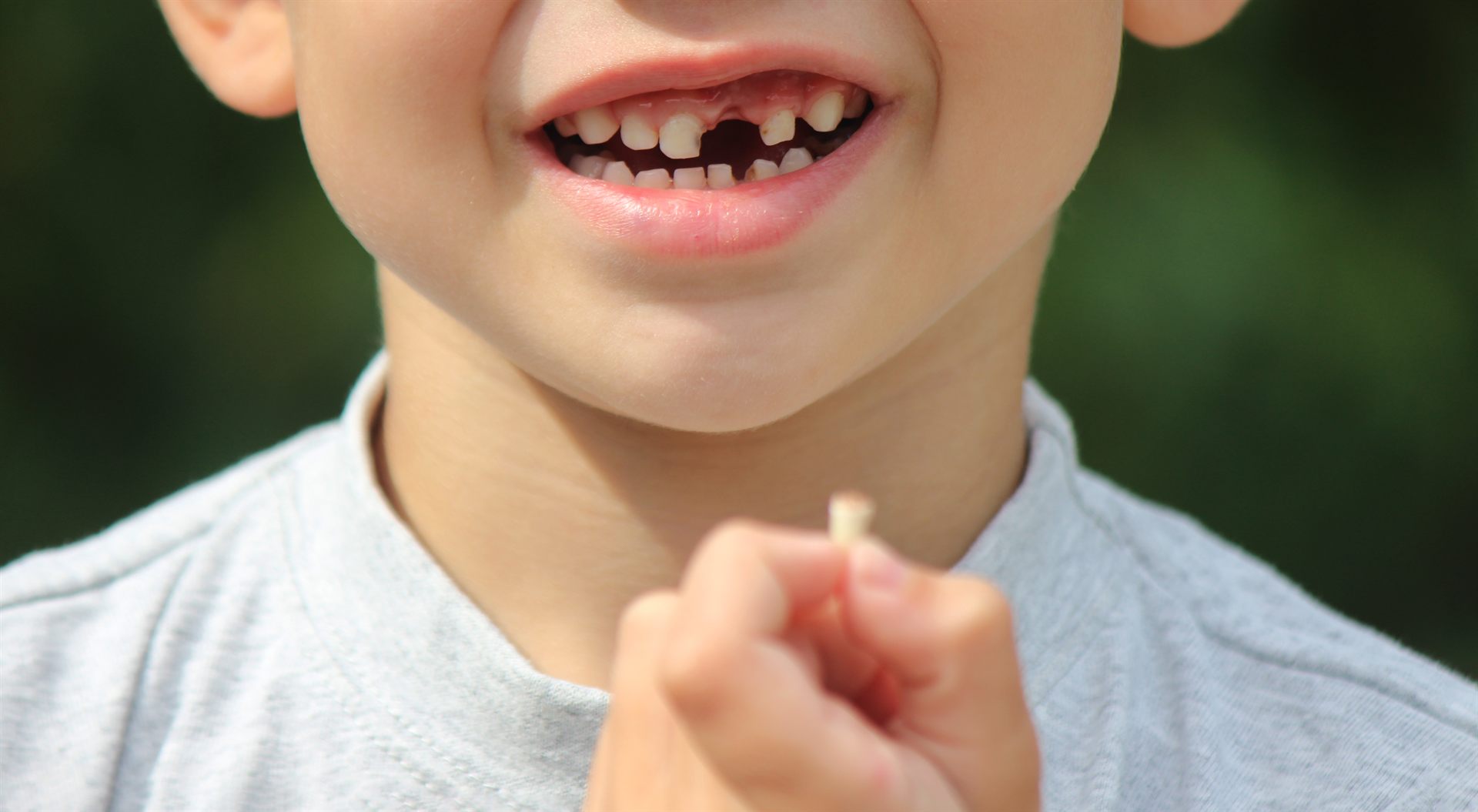
A child's first experiences at the dental clinic lay the foundation for a lifetime of oral health habits. At DizgeKlinik we welcome our young patients with play, conversation and trust before they ever sit in the chair; our goal is not only to protect milk teeth, but to help you raise a child who grows up without any fear of the dentist. From the first check-up to preventive care, milk tooth fillings and parent coaching, we tailor every step to your child's age and temperament.
- First Visit
- Around age 1
- Check-up Interval
- Every 6 months
- Preventive Care
- Sealants & fluoride varnish
- Our Approach
- Tell-show-do & play
When Should the First Dental Visit Happen?
The ideal time for your child's first dental appointment is within six months of the first milk tooth appearing, and no later than around their first birthday. The purpose of this visit is introduction, not treatment: we check how the teeth are erupting, assess decay risk and give you care advice tailored to your baby.
Starting early makes the clinic feel ordinary and safe to your child. In infants, the examination usually takes place on the parent's lap and is over in a few gentle minutes. It also lets us catch potential problems while they are still small and often manageable without treatment — so the first experience is linked to a positive memory, not to pain.
Why Milk Teeth Matter So Much
Because milk teeth are temporary, they are often dismissed as unimportant — yet they are the foundation of chewing, clear speech and healthy jaw development. Every milk tooth is also a natural space maintainer: it reserves the spot for the permanent tooth developing underneath and guides it into the correct position when its time comes.
If a milk tooth is lost too early through decay or trauma, the neighbouring teeth drift into the gap and the space reserved for the permanent tooth narrows. The usual result is crowding and a future need for orthodontic treatment. When early loss is unavoidable, we protect the area with a simple space maintainer appliance and keep the path clear for the permanent tooth.
Building Trust Without Fear: Tell-Show-Do
The most valuable treatment in paediatric dentistry is trust. We use the internationally established tell-show-do method: we first explain the procedure in words a child understands, then show it — letting them hold the instruments and watch in the mirror — and only then do it. The air-water spray becomes rain, and the saliva ejector a tiny vacuum cleaner.
We turn appointments into games and celebrate every brave step with small rewards. If needed, we plan the first session purely as an introduction — a ride in the chair, counting teeth, a brushing game — and move on to treatment only when your child is ready. One request from us: avoid words like needle, pain or scared at home; children learn anxiety from these words more than from anything else.
Preventive Care: Fissure Sealants and Fluoride Varnish
The deep grooves on the chewing surfaces of molars are too narrow for toothbrush bristles to reach, which makes them the most common starting point of childhood decay. A fissure sealant closes these grooves with a flowable filling material in a few minutes, with no drilling and no needles. It is particularly recommended for the first permanent molars that erupt around age six.
Fluoride varnish strengthens the enamel against acid attacks and can slow the progression of early-stage lesions. It is brushed onto the teeth in seconds and is usually repeated every six months, depending on your child's individual risk. Both applications are endorsed by international paediatric dental associations and are safe and painless.
Treating Decay in Milk Teeth: Fillings and Pulpotomy
Milk tooth enamel is thinner than that of permanent teeth, so decay progresses considerably faster. Caught early, cavities are treated comfortably in a single visit with tooth-coloured fillings under local anaesthesia. A small filling placed before pain starts spares your child both sleepless nights and more extensive procedures.
When decay reaches the nerve, a pulpotomy comes into play: only the infected upper portion of the pulp is removed, the healthy remainder is protected with a special medicament, and the tooth is sealed with a filling or a paediatric crown. The goal is to keep the milk tooth in place until it is naturally due to fall out. Extraction is always the last resort; if unavoidable, the gap is protected with a space maintainer.
Bottle Caries, Nutrition and Parent Education
Bottle caries is a form of early childhood decay that develops rapidly on the front teeth when a baby falls asleep with a bottle of milk, formula or sweetened drinks. Saliva flow drops during sleep and cannot wash the sugar off the teeth. To prevent it, offer only water in a night-time bottle, never dip a pacifier in honey or similar sweeteners, and start wiping the teeth with a clean cloth or brushing with a soft brush from the very first tooth.
At every appointment we treat parents as partners: together we go over age-appropriate brushing technique, the right amount of fluoride toothpaste (a grain of rice under three, a pea-sized amount after) and a sensible snacking routine. Check-ups every six months catch problems while they are small and turn the clinic into a familiar, ordinary stop on your child's calendar.
Treatment Process
Meet & Greet
The first visit is a playful introduction, not an examination.
Examination
Teeth are checked and a decay-risk map is created.
Protection
A protective shield is built with sealants and fluoride.
Follow-up
Development is monitored with 6-month check-ups.
Frequently Asked Questions
The questions we hear most at consultations — answered plainly.
When should I bring my child to the dentist for the first time?
Within six months of the first milk tooth appearing, and no later than around the first birthday. This visit is a short, treatment-free introduction; children who start early adapt to the clinic far more easily.
Milk teeth fall out anyway — do cavities in them really need treatment?
Yes. Untreated decay in a milk tooth can lead to pain, abscesses and damage to the permanent tooth bud developing underneath. A tooth lost early also narrows the space reserved for its successor; a small filling prevents that entire chain.
Are fluoride varnish and fissure sealants safe for children?
Yes. Both are preventive measures recommended by international paediatric dental associations and applied in controlled doses at our clinic. Sealants involve no drilling or needles, and fluoride varnish takes only seconds to apply.
My child is very afraid of the dentist — how do you handle this?
We never rush into treatment. The first appointment is planned as a meet-and-play session, and we progress step by step at your child's pace using the tell-show-do method. Avoiding negative words at home and describing the visit as an ordinary outing helps enormously.
How can I prevent bottle caries?
Try not to let your baby fall asleep with a bottle of milk or formula; a night-time bottle should contain only water. Never dip a pacifier in honey, clean the teeth daily from the first tooth onwards, and come in for a check-up within the first year.
How often should we come for check-ups?
The general recommendation is every six months; for children at higher risk of decay, your dentist may suggest more frequent visits. Regular check-ups align with the fluoride varnish schedule and let us catch problems while they are still easy to treat.
Let's plan your treatment together
At your free first consultation, our dentists listen first — then we map out your options.