Orthodontics
Crowded teeth, gaps in the smile and jaws that do not close together properly are more than a cosmetic concern; surfaces you cannot clean invite decay and gum inflammation, and an unbalanced bite can strain the jaw joint. Orthodontics corrects these problems at their source. At DizgeKlinik we plan every case digitally, then choose together with you between metal braces, ceramic braces and clear aligners — based on your age, your expectations and what your case genuinely needs.
- Treatment Time
- 6–24 months (case based)
- Adjustment Visits
- Every 4–8 weeks
- Suitable Age
- Any age from 7 up
- Retention
- Retainer after treatment
Which Problems Does Orthodontics Solve?
Orthodontics deals with three broad groups of problems: crowding caused by lack of space, gaps between the teeth, and bites where the upper and lower jaws do not meet in harmony. Bite disorders come in several forms; protruding front teeth, deep bite, open bite and crossbite are the ones we see most often. Some are inherited, while others develop after the early loss of baby teeth or through childhood habits.
These problems affect far more than appearance. Crowded teeth leave surfaces a brush and floss cannot reach, raising the risk of decay and gum inflammation. An unbalanced bite overloads certain teeth, which can cause wear over time and contribute to jaw-joint complaints; in some cases speech and chewing are affected too. By moving teeth into their correct positions, orthodontic treatment addresses the cause of these risks, not just their appearance.
Braces: Metal and Ceramic Brackets
In fixed treatment, small attachments called brackets are bonded to the front surfaces of the teeth, and an archwire running through them applies a light but continuous force. This force triggers controlled remodelling of the bone around each tooth, letting teeth move by up to roughly a millimetre per month. At regular visits the wires are adjusted to keep movement on the planned track.
Metal brackets are the classic choice — the most durable and the most efficient — and today's versions are far smaller and more comfortable than the ones most people remember. For patients who value discretion, tooth-coloured ceramic brackets deliver the same mechanics with a much subtler look. Which system to use is decided together, weighing the demands of your case, your daily habits and your expectations.
Adult Orthodontics: It Is Not Too Late
Orthodontics is not only for children; as long as the gums and supporting bone are healthy, teeth can be moved at any age. In fact, a significant share of the orthodontic patients at our clinic are adults who never had the chance to be treated in their teens. Adult planning is simply more comprehensive: existing fillings, missing teeth and gum condition are all built into the treatment plan.
The most common hesitation among adults is appearance. Tooth-coloured ceramic brackets and clear aligners that are barely visible on the teeth remove most of that concern; clear aligner therapy has become one of the options our adult patients request most. Short, targeted orthodontic treatments are also increasingly common in adulthood — uprighting a tilted tooth before an implant or bridge, for example.
Early Orthodontic Assessment in Children
The ideal age for a first orthodontic assessment is around seven. At this stage baby and permanent teeth are present together, and because jaw growth is still under way, skeletal discrepancies are easiest to guide in this window. An early check does not mean every child starts treatment immediately; often we simply monitor growth and act only when the timing is right.
Habits such as thumb sucking, prolonged dummy or bottle use and mouth breathing can interfere with jaw development. Simple appliances and habit breakers used early stop a problem from growing; they can shorten any future treatment and in some cases make it unnecessary altogether. When a baby tooth is lost early, a space maintainer helps the permanent tooth erupt in the right position.
Digital Planning and the Treatment Journey
At DizgeKlinik, orthodontic treatment begins with thorough records: a digital intraoral scan, panoramic and cephalometric x-rays, and facial and smile photographs. Tooth dimensions, jaw relationship and soft-tissue profile are analysed on these records, and the treatment goals and estimated duration are explained to you clearly. In cases planned with clear aligners, you can even preview on screen how your teeth will move step by step.
Fitting the braces is painless and completed in a single visit. From then on, adjustment appointments every four to eight weeks keep the movement measured against the plan. Total duration depends on the complexity of the case, but most treatments finish within 6 to 24 months. Throughout the process we coach you on oral hygiene and protect gum health with professional cleaning sessions whenever needed.
Retention: Why Retainers Matter So Much
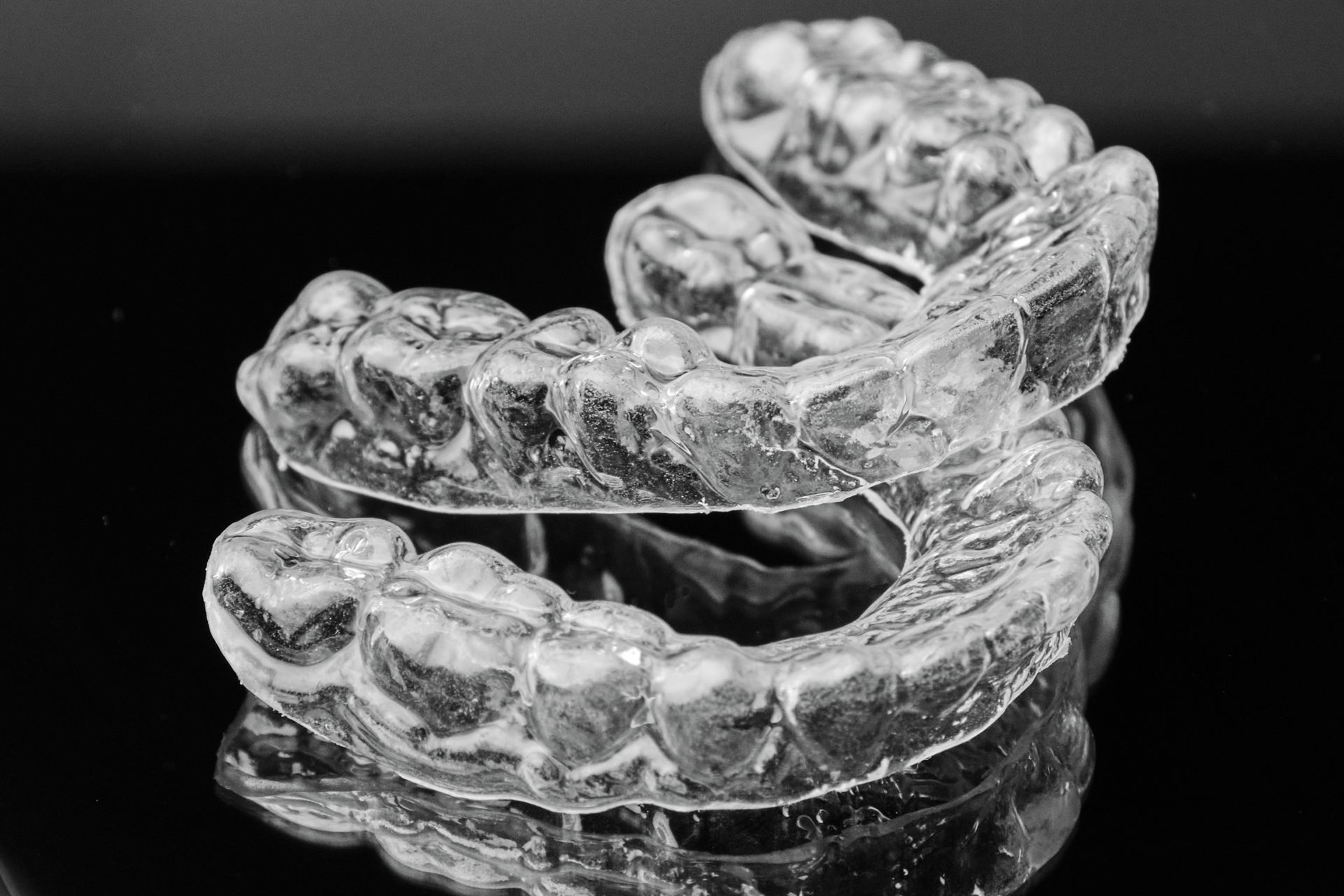
Treatment does not end the day the braces come off or the final aligner is worn; the fibres around the teeth naturally pull them back towards their old positions. The retention phase exists to resist exactly this tendency. A thin wire bonded behind the front teeth and a clear retainer worn at night are the two methods we use most, and in many cases we plan them together.
How long retainers are worn is decided individually; use is more intensive in the first months and usually shifts to nights only afterwards. Because tooth position stays open to small changes throughout life, the safest approach is to treat retainer wear as a long-term habit. At review visits we check how your retainers fit and renew them when necessary.
Treatment Process
Analysis
Orthodontic analysis with panoramic imaging and digital impressions.
Planning
The movement plan is created digitally and presented for approval.
Treatment
Aligners are renewed at regular intervals as progress is tracked.
Retention
A retainer makes the result permanent after treatment.
Specialised Techniques
Advanced variants of this treatment — explore their dedicated pages.
Frequently Asked Questions
The questions we hear most at consultations — answered plainly.
How long does orthodontic treatment take?
It depends on the type of problem, your age and how closely you follow the plan. Mild crowding can resolve in 6–12 months, while comprehensive bite correction may take 18–24 months. After the examination and digital analysis we give you a realistic range specific to your case.
Do braces hurt?
Fitting the brackets is painless. For a few days after the wires are adjusted you may feel pressure and tenderness; it settles quickly and is easily managed with simple pain relief if needed. Orthodontic wax protects the cheeks from any irritation.
Should I choose braces or clear aligners?
Both move teeth, but their strengths differ. Braces are more predictable for complex tooth movements and certain bite problems; near-invisibility and the comfort of a removable appliance are where clear aligners shine. We clarify together at the consultation which one suits your case.
When should my child first see an orthodontist?
We recommend a first assessment around age seven. That does not mean treatment starts immediately; jaw growth is monitored at regular intervals, and if intervention is needed it happens at the most effective moment — often resulting in a shorter, simpler treatment.
How should I eat and clean my teeth with braces?
Avoiding very hard and sticky foods — whole nuts, chewing gum, crusty bread — prevents broken brackets. For cleaning, we recommend an interdental brush alongside your regular toothbrush, plus a water flosser if needed; we review your hygiene routine together at every visit.
Will my teeth move back after treatment?
Not if retainers are used as recommended. Teeth naturally tend to drift back towards their old positions; a thin bonded wire and night-time clear retainers keep that tendency under control. If retainer wear is neglected, relapse can develop over the years.
Let's plan your treatment together
At your free first consultation, our dentists listen first — then we map out your options.